I spent nine years sitting behind a desk in retail banking, listening to people explain why their accounts looked the way they did. I’ve seen the panic when the rent check clears, the confusion over subscription renewals, and the genuine, soul-crushing shame people feel when they think they’ve “failed” at budgeting. Here is the secret they rarely tell you in those glossy financial brochures: Budgeting isn't a math problem; it’s a behavior design problem.
If you’ve tried to force yourself into a rigid, all-or-nothing budget, you’ve probably noticed that it breaks within three weeks. That’s not a character flaw. That’s a bad design. Today, we’re going to build a sustainable budget that respects your life, your hobbies, and your need for a latte on a Tuesday. We are going to focus Learn here on habit-based budgeting that actually sticks.
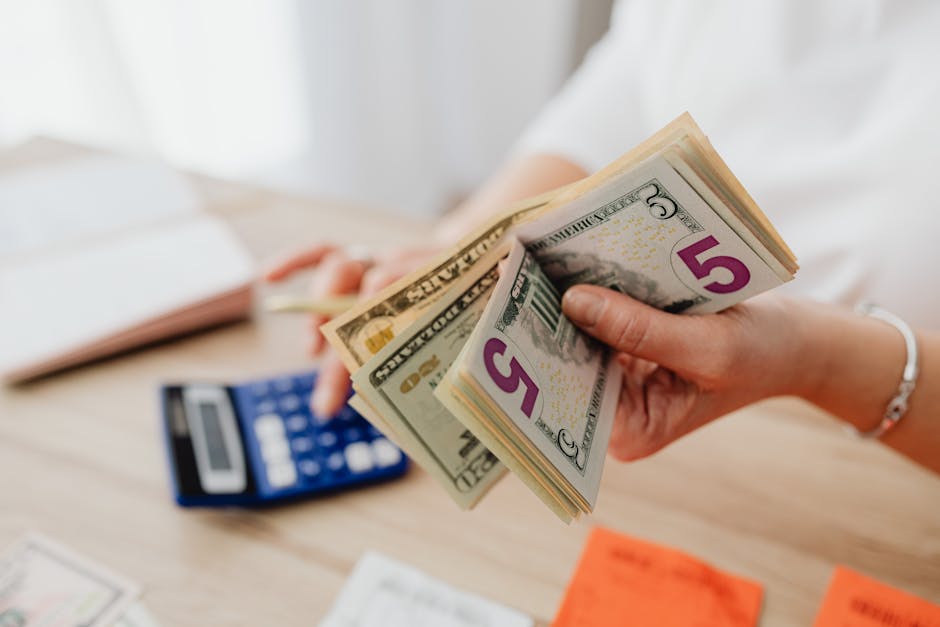
Disposable Income: Your Deliberate Decision Space
Most people treat "disposable income" like a ghost—it appears at the start of the month and vanishes by the 15th without anyone knowing where it went. I want you to start thinking of your disposable income as your deliberate decision space.
This is the money left over after your fixed obligations—rent, utilities, insurance, and savings—are covered. Instead of viewing this as “free money” to be spent mindlessly, treat it as your budget’s headquarters. This is where you get to decide who you are. Are you the person who prioritizes travel? Are you the person who values high-end coffee at home? Are you the person who loves app-based gaming? When you label this as "decision space," you move from being a victim of your spending to the architect of it.
Stop Shaming Yourself for Entertainment
I cannot stand the "no-fun" budget culture. You know the one: "Stop buying coffee, sell your Netflix subscription, and live on rice and beans until you die." That advice is useless because it’s unsustainable. If you love entertainment, you deserve to have it as a formal category in your budget.

When you omit entertainment from your budget, you’re just waiting for an "unplanned" spend to ruin your day. By giving entertainment its own category, you take the power back. You aren't "sneaking" a movie rental; you are exercising your budgeted allocation for fun. It’s not a failure; it’s a deliberate choice.
The 10-Minute Weekly Money Check-In
Consistency isn't about staring at spreadsheets for three hours every Sunday. It’s about the 10-minute check-in. Pick one day—I do mine on Thursday nights—and commit to just ten minutes. You aren't doing deep analysis here; you are checking the landscape. Look at your banking app, see what moved, and look at your primary budgeting platform to see if you’re nearing your boundaries.
This creates a feedback loop. If you wait until the end of the month to look at your bank account, it’s an autopsy. When you look once a week, it’s a check-up. You can catch a subscription you forgot about or an "unplanned" purchase before it turns into a month-long trend.
Planned vs. Unplanned Spending: The Margin Note Approach
In my line of work, I encourage people to literally write notes in the margins of their budget or digital notes apps. The most important distinction is Planned vs. Unplanned. Pretty simple..
Margin Note: "Planned = Conscious choice. Unplanned = Impulse or emergency."
If you don’t track the "unplanned" spending, you’ll never understand where your consistent limits are failing. Below is a simple way to categorize your spending to keep you honest:
Category Planned Spend Unplanned/Impulse Risk Entertainment Monthly Streaming / Concert tickets In-App Purchases / One-click rentals Groceries Weekly meal plan staples The "I'm tired" DoorDash order Personal Care Haircuts / Skincare "I saw this on TikTok" haulsBuilding the Habit: Start With One Small Limit
When I help clients, I never start by overhauling their entire life. I suggest one small limit first. Maybe you set a limit on "Digital Convenience" (UberEats, App Store purchases, extra iCloud storage). By setting a boundary on one specific area, you build the "habit muscle" required for the bigger tasks. Once that small limit is locked in and you feel the relief of staying under it, you move to the next.
You cannot build a house by building the roof first. Start with the foundation: the weekly check-in. Add the walls: categories that include your entertainment. Then, put on the roof: your long-term savings goals.
Tools: Choosing Between Banking Apps and Budgeting Platforms
The tech landscape has changed, but the goal remains the same: visibility. Don't get overwhelmed by fancy software if it makes you want to quit. Use what works for you.
Banking Apps: Most modern retail banking apps now include "Spending Insights" or "Categorization." Start here. If your bank breaks your spending into "Entertainment" and "Groceries" automatically, use that data! It’s the lowest barrier to entry. Budgeting Platforms: If you need more control, platforms that allow you to set "envelope" style budgets are better for the long term. These help you enforce those consistent limits by telling you exactly how much is left to spend in a specific category *before* you swipe the card.Last month, I was working with a client who made a mistake that cost them thousands.. My advice? Use the banking app for the daily "check-in" to see what cleared, and the budgeting platform to see if you have "room" left in your budget for the week. They serve different purposes, and using both is usually the "sweet spot" for most households.
Final Thoughts: Consistency Over Perfection
If you overspend one week, don't throw the whole budget in the trash. That’s the "all-or-nothing" trap, and it’s the quickest way to end up right back where you started. If you miss your goal, identify if it was a "planned" event (like a birthday dinner) or an "unplanned" emotional spend. Adjust next week’s limit accordingly.
Budgeting is a living, breathing process. It should look different when you have a big expense versus a light month. The goal isn't to be a robot; the goal is to be intentional. Keep your weekly check-in, set your small limits, and stop apologizing for buying the things that make your life enjoyable. You’re doing just fine.
Margin Note: "Budgeting is the tool that https://highstylife.com/how-to-track-discretionary-spending-when-you-absolutely-hate-spreadsheets/ gives you the freedom to spend, not the cage that stops you."